 Photography Colleges
AI Clothes Remover
Free for a limited time
Generate without spending credits. Sign-in required.
Community Creations
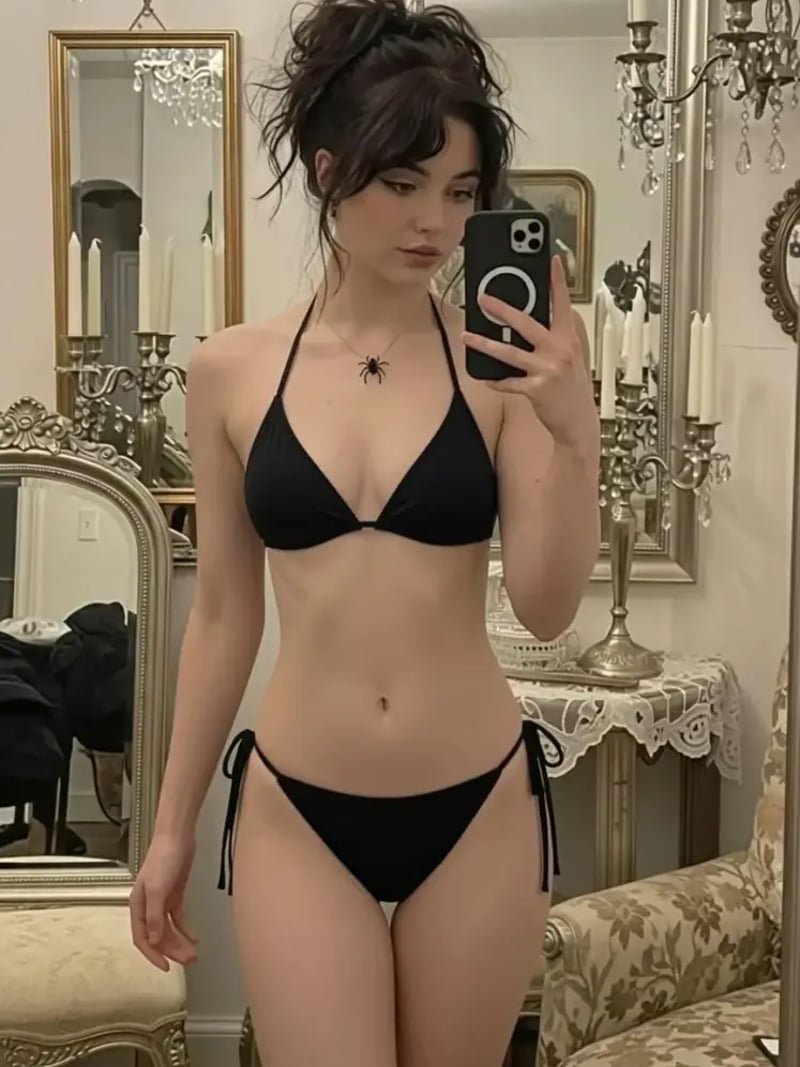
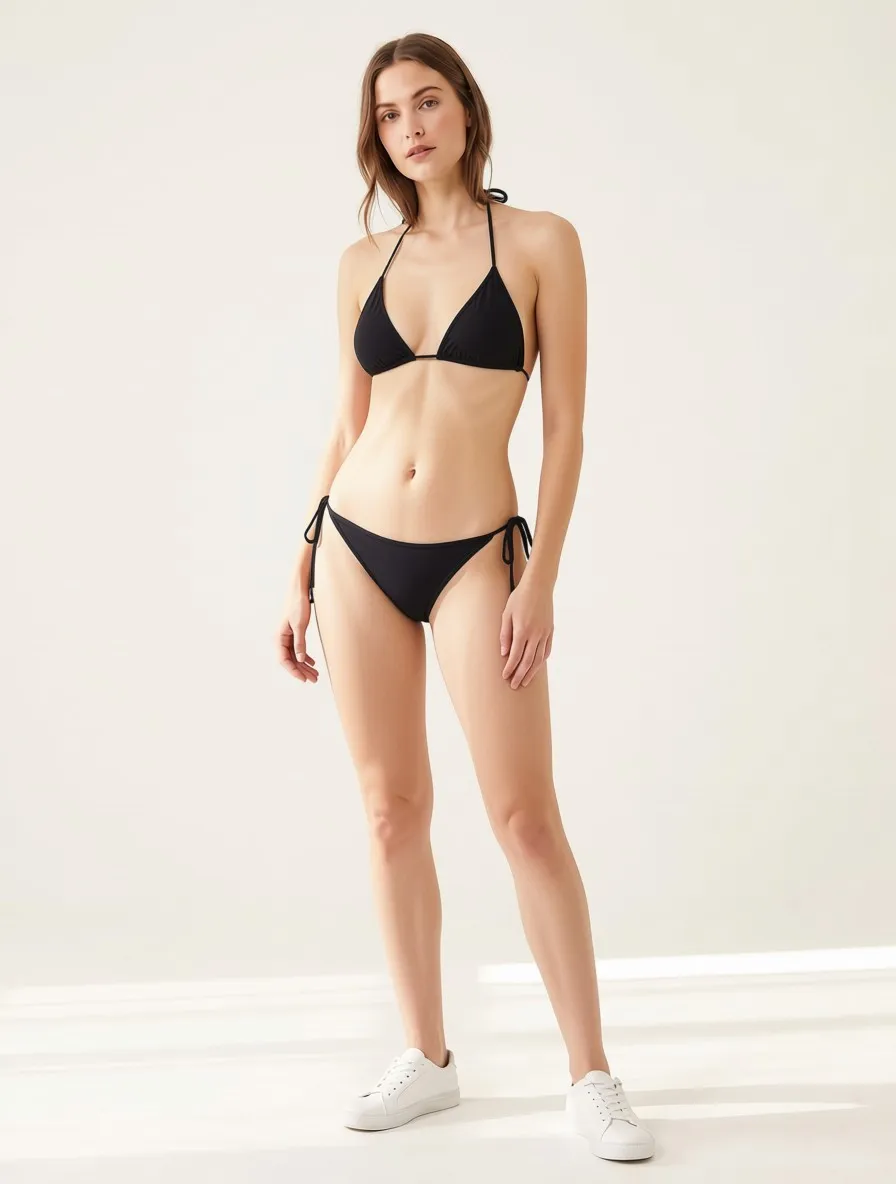
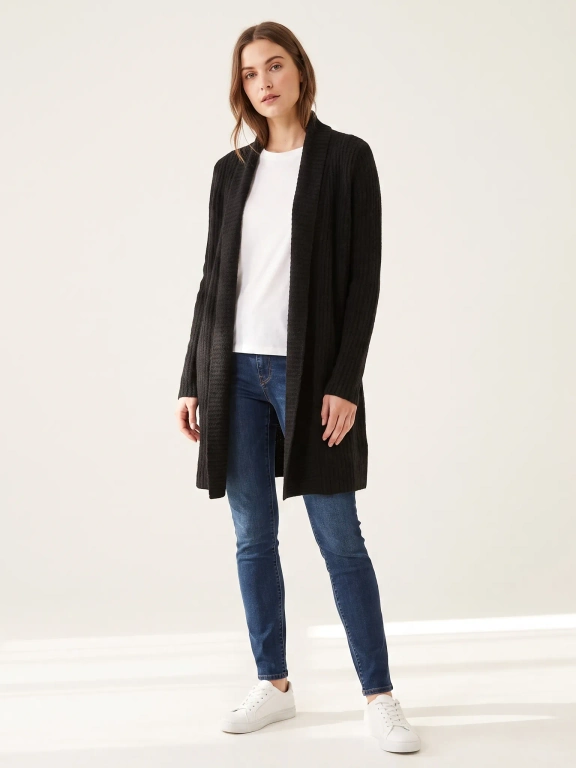
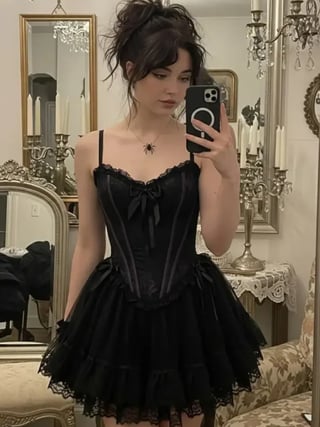 Before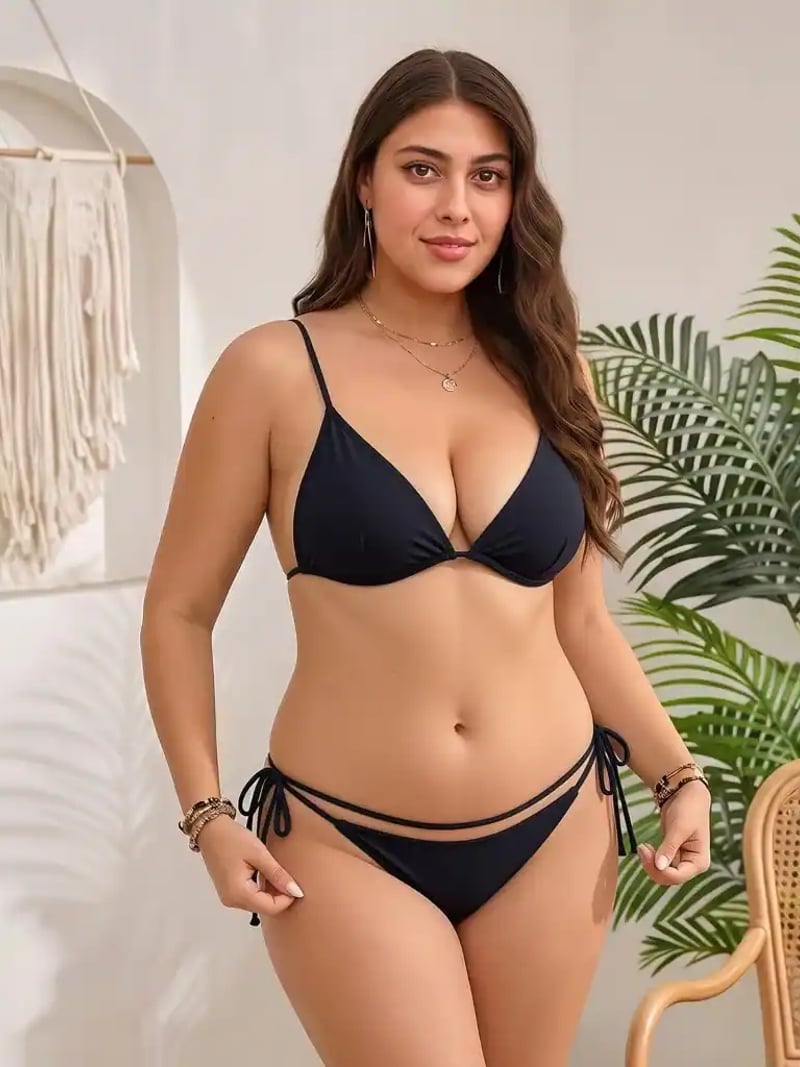
 Before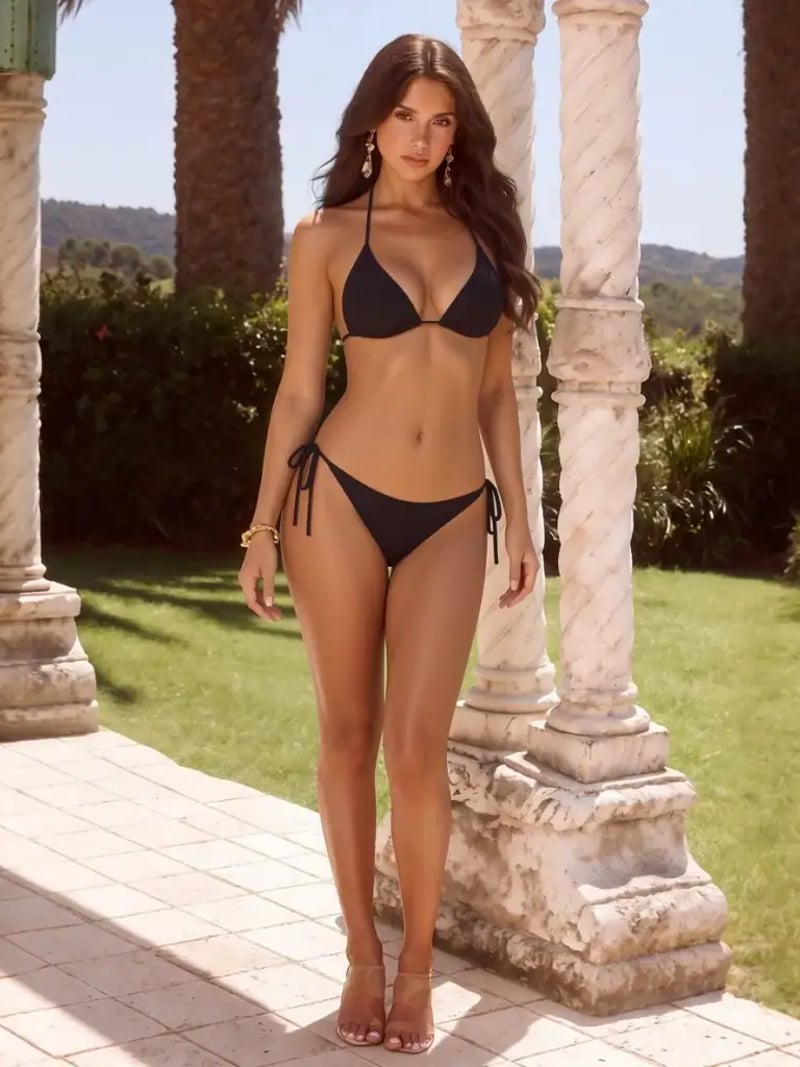
 Before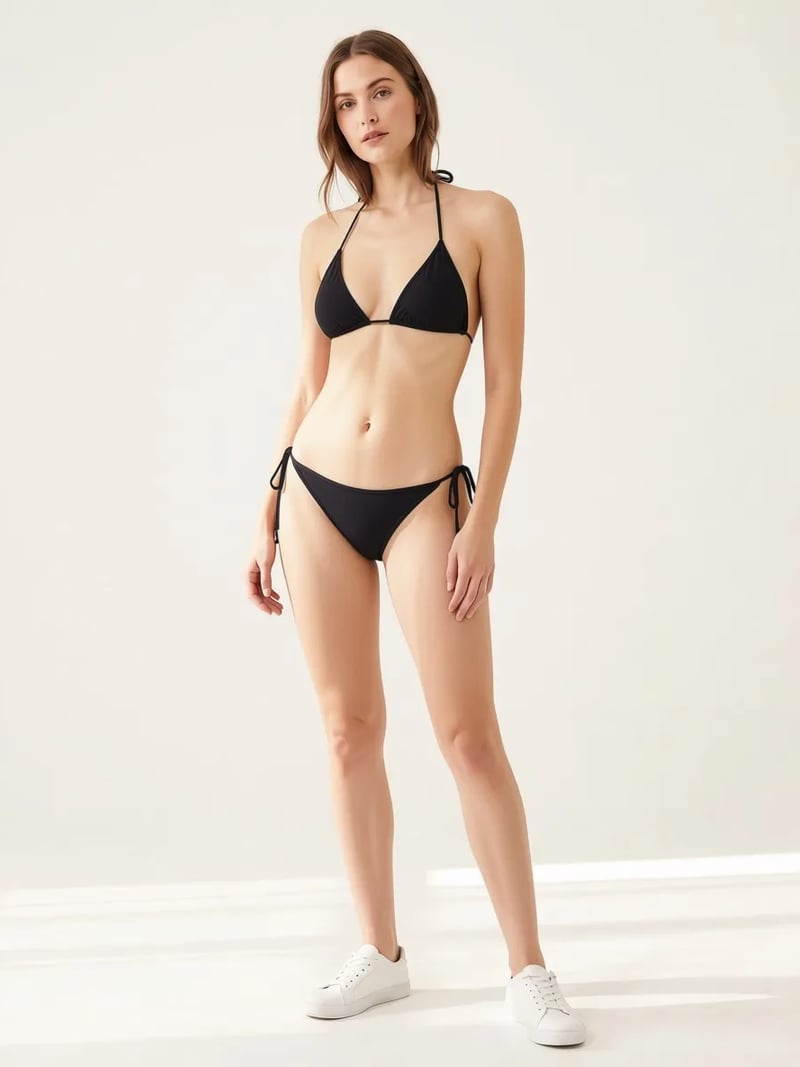
 Before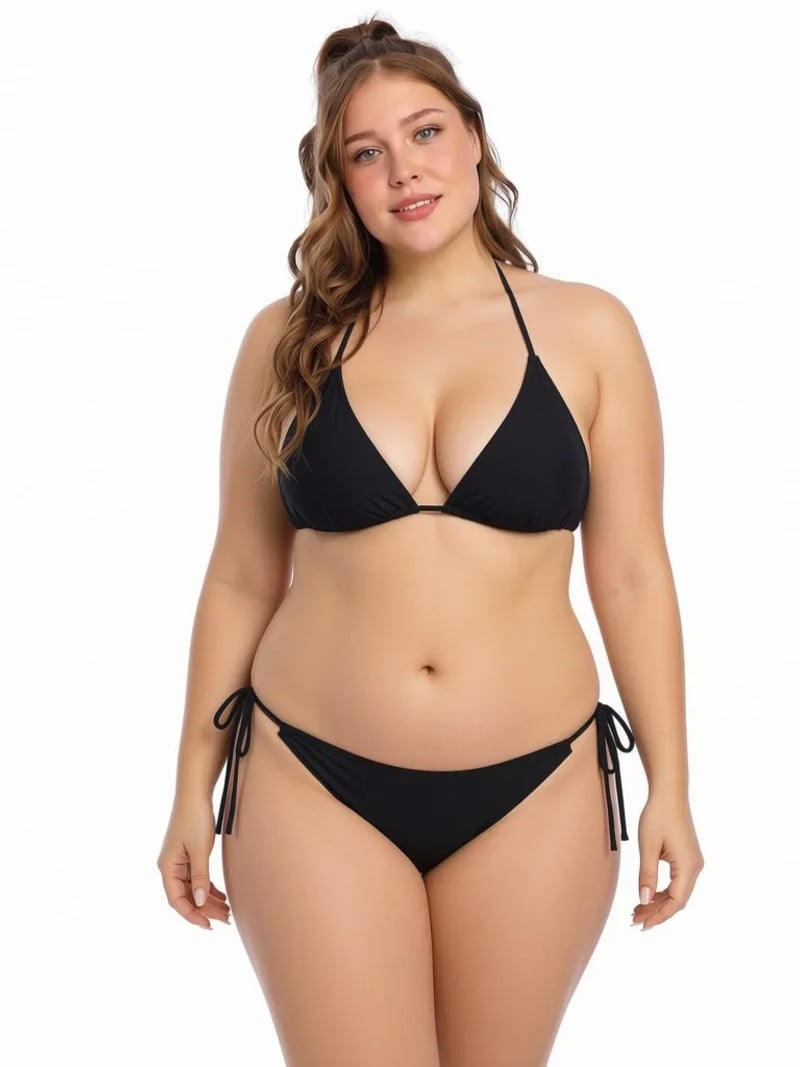
 Before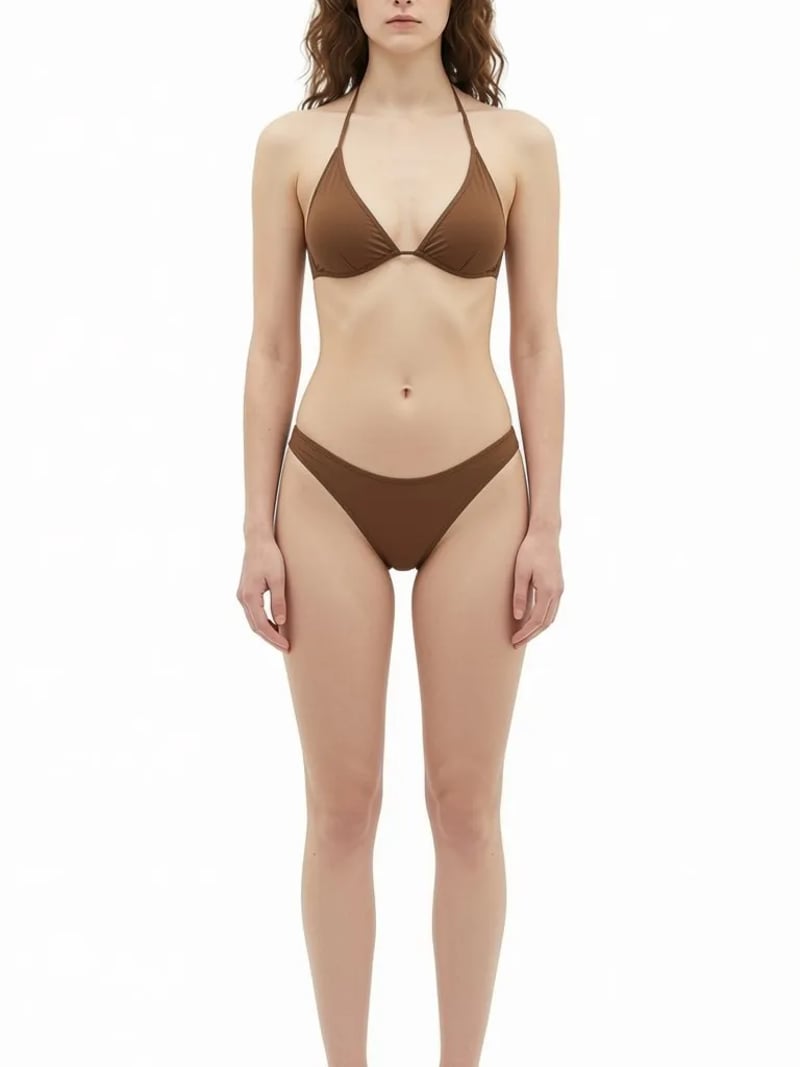
 Before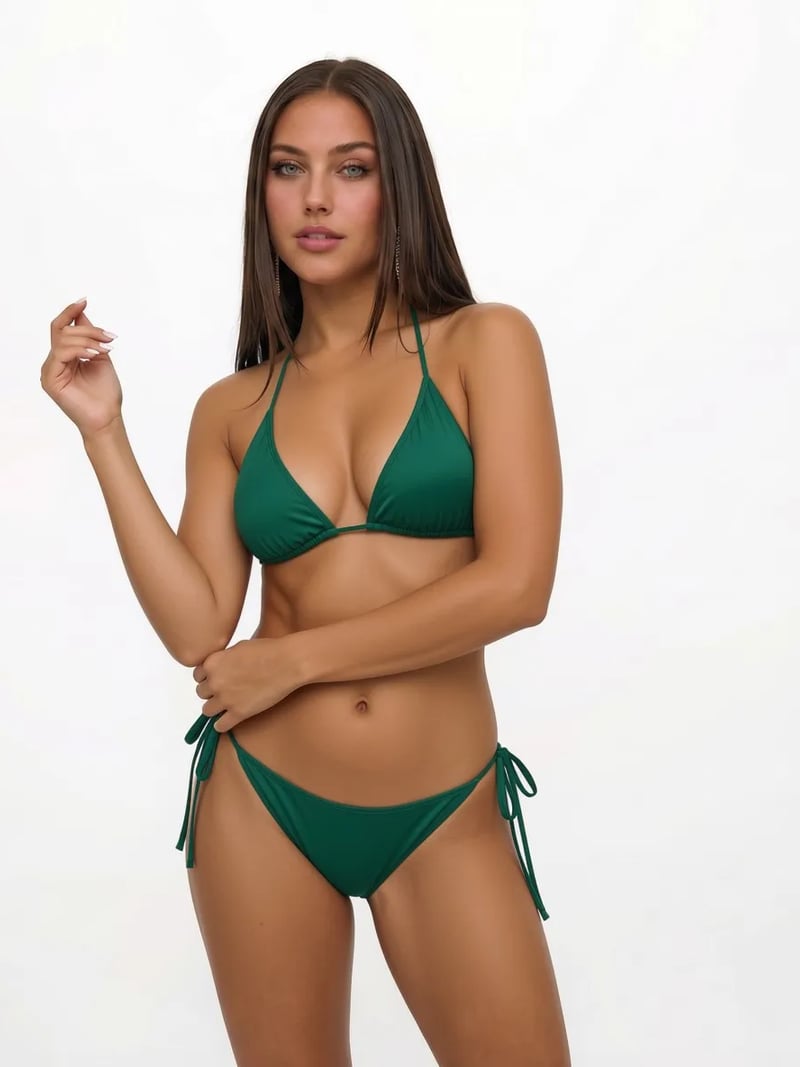
 Before
 Before
 Before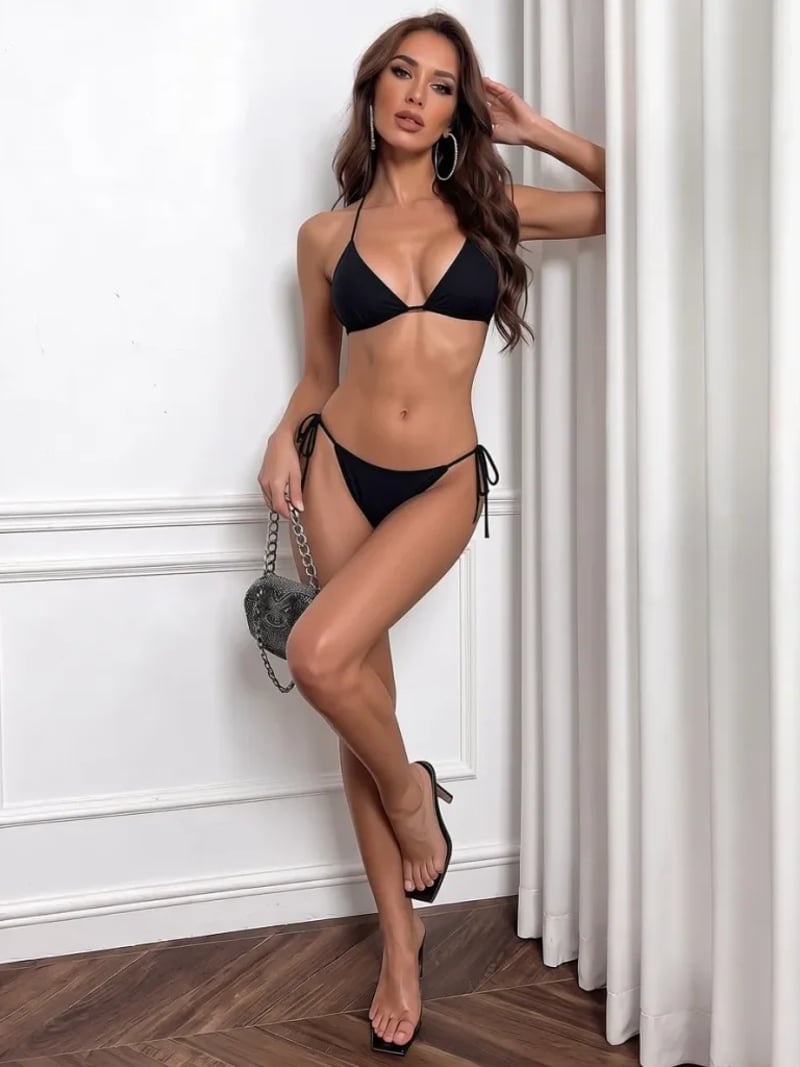
 Before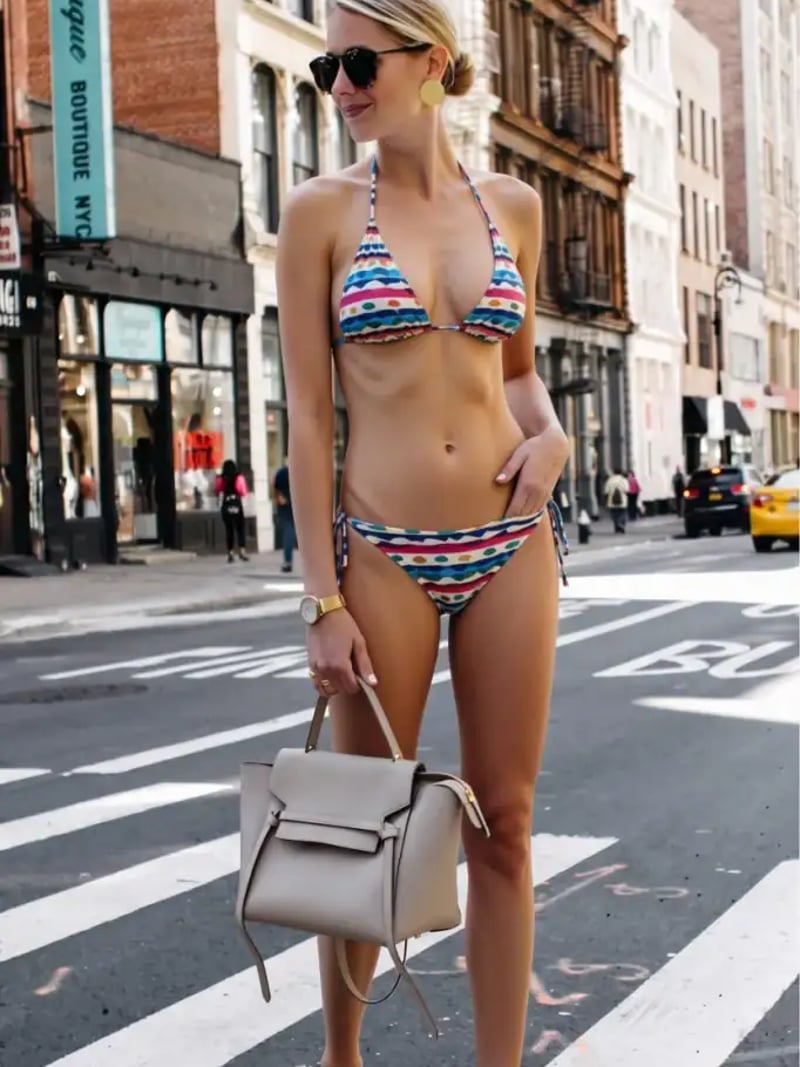
 Before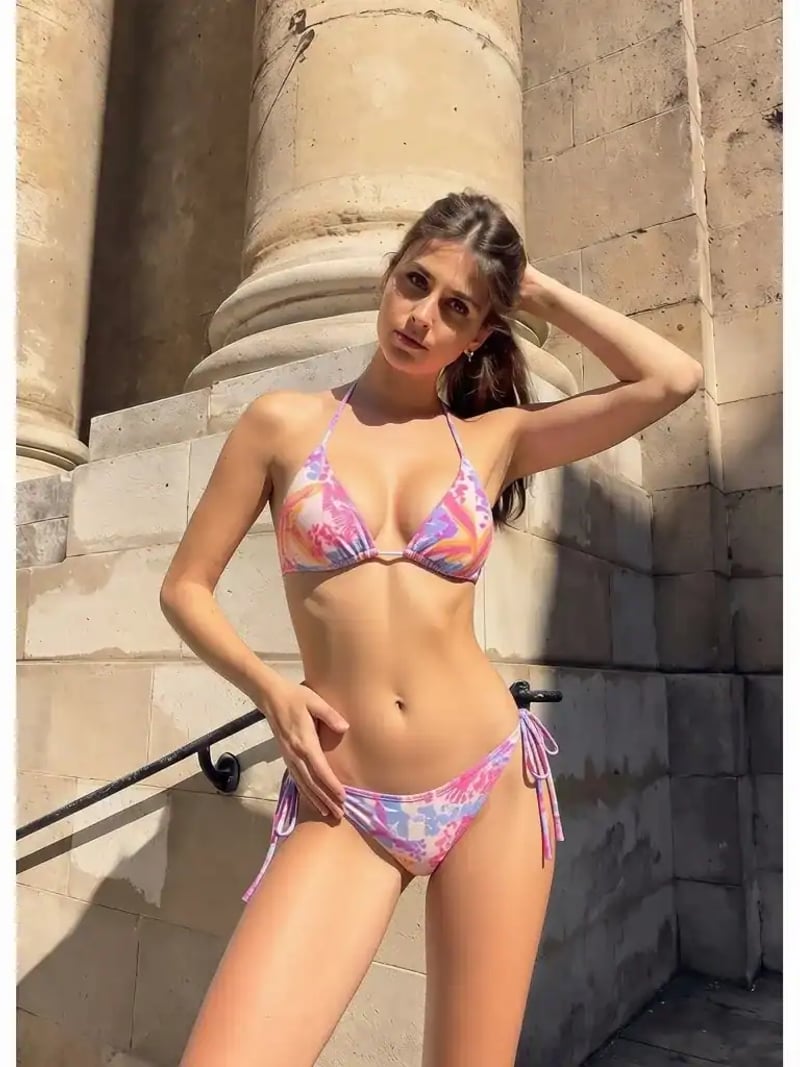
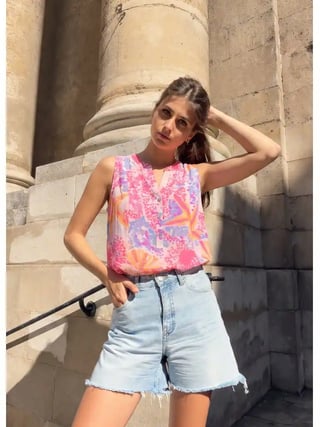 Before
AI Clothes Remover Online: Realistic Outfit Editing
Edit the outfit layer of your own photos with the AI clothes remover. Face, pose, lighting and background stay unchanged. Free for a limited time: no credits are deducted. Sign in with Google to generate.
The AI clothes remover on Photography Colleges rewrites the outfit layer of a photo you own. Upload one image, choose how many variations you want, and the model redraws the garment area while your face, pose, body proportions, lighting and background stay exactly as they were. It is made for adults working on their own portraits, fashion previews, cosplay looks and character art.
Creators reach for an AI clothing remover when a reshoot is not an option and a hand-made selection would eat an hour. Photographers use it to test swimwear and lingerie concepts. Cosplayers use it to plan a base layer under a costume. Fitness clients use it to see progress shots in a simpler outfit. Everything runs in the browser workspace, with no software to install.
Manual retouching means masking, cloning and blending skin against fabric edges by hand. This AI clothing remover handles detection and reconstruction in one pass, usually in seconds. You stay in control through the quantity setting, generating up to four takes per request and keeping the one that reads most naturally. Results are for personal, creative and lawful use only.
How the AI clothes remover works
The model first locates the garment region in your upload. It separates fabric from skin, hair and background, then rebuilds the covered area as new synthetic pixels that follow the body contour underneath. Nothing is uncovered or recovered from the original file. The model paints a plausible layer that matches the lighting direction, shadow softness and skin tone already present in the photo.
Because the edit is generative, two runs of the same photo can differ slightly. That is why the workspace lets you request one to four variations per generation. Compare them, pick the frame with the cleanest shoulder line and waist edge, and download it. If none of them land, adjust the source photo and generate again.
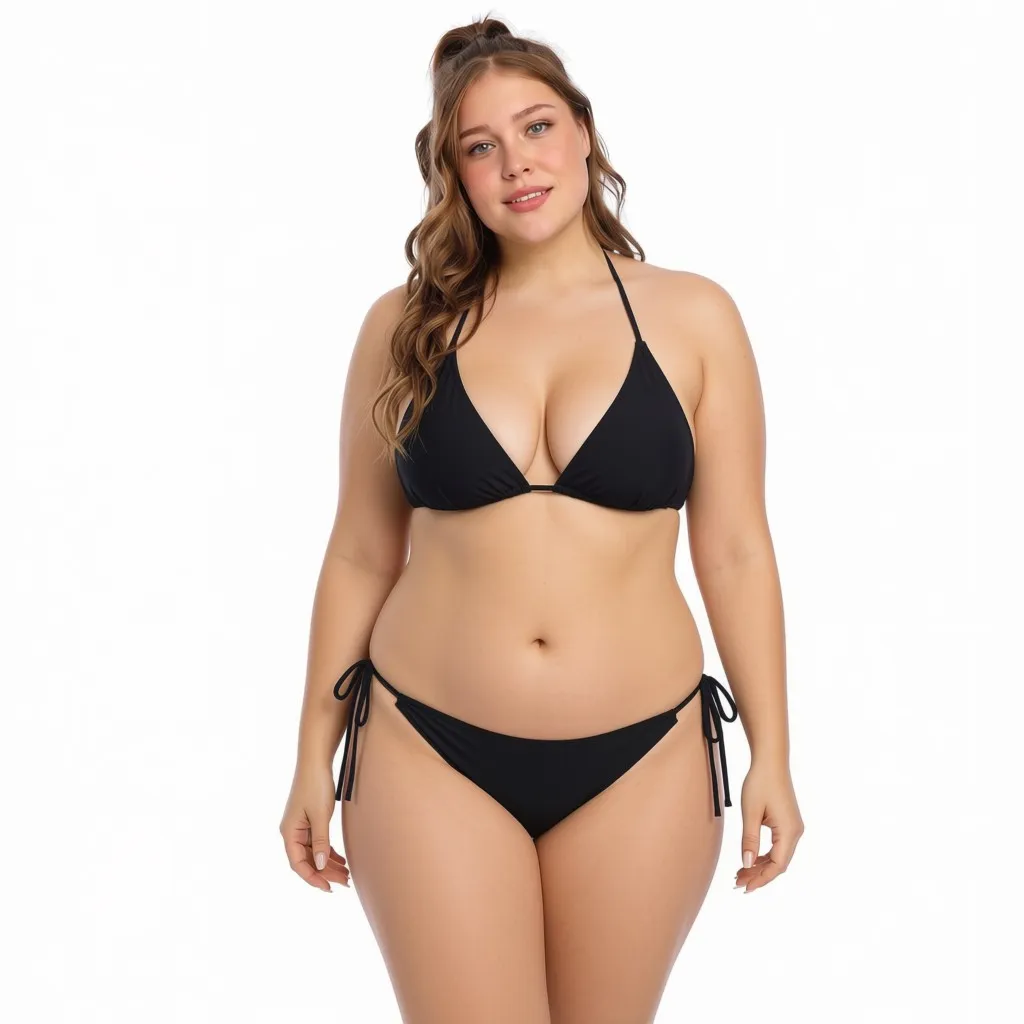
AI clothing remover results that keep identity unchanged
Identity is the part people notice first. Your face, hairline, jewelry, hands and the room behind you are left alone, so the result still reads as the same person in the same moment. Only the outfit region changes. That is the core promise behind every tool on this site, and it is what separates a body-aware edit from a blunt filter.
Realism depends heavily on your input. Even lighting, a sharp subject and a full-body or half-body framing give the model the most anatomical context to work with. Lace, sheer panels, heavy prints and busy folds are harder cases. Generate a few takes when the garment is complex, then choose the version with the most natural fabric-to-skin transition.
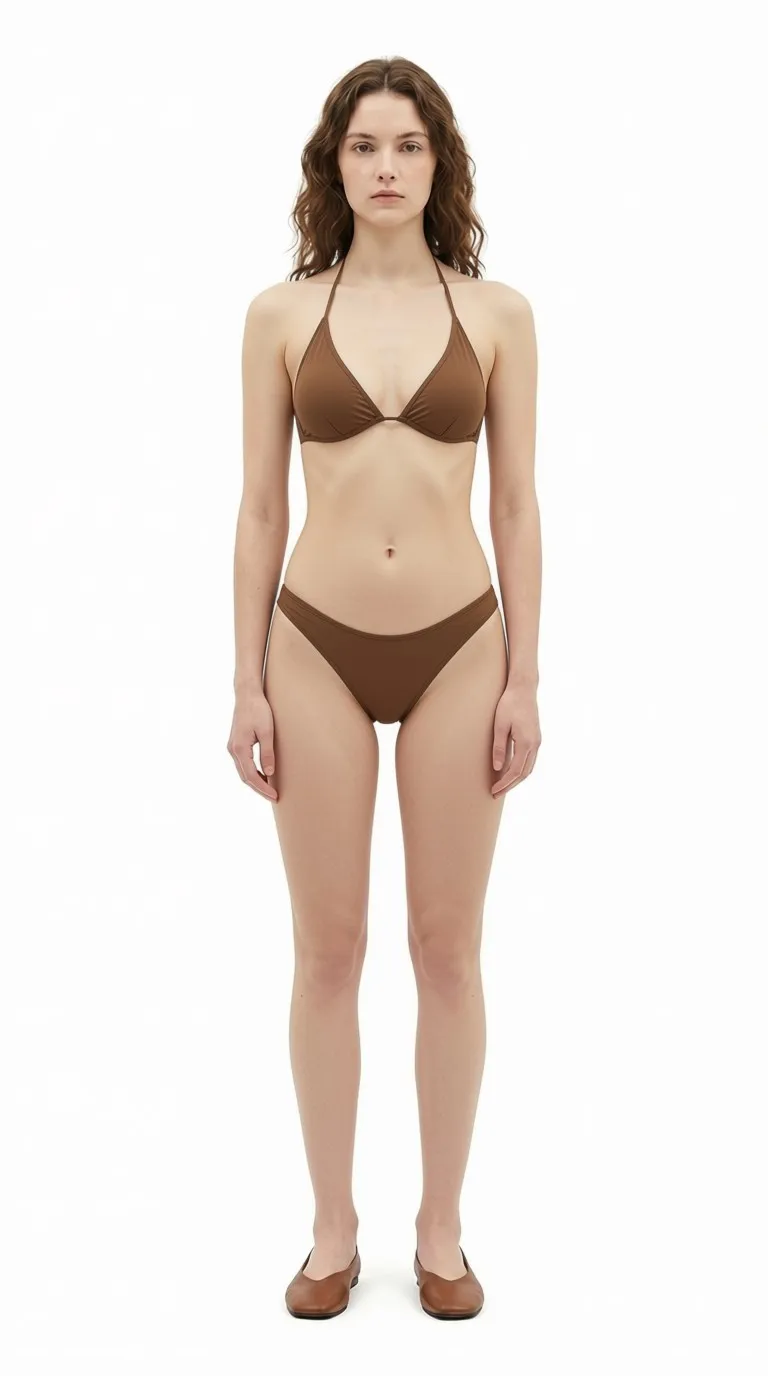
Clothes remover AI vs manual photo editing
In a desktop editor you would select the garment, feather the mask, clone in skin, rebuild shadow shapes and colour-match every seam. Skilled retouchers do it well, and it can still take the better part of an hour per frame. The AI compresses that into a single generation and gives you several candidates instead of one committed result.
The trade-off is control. Manual work lets you decide every pixel; the AI decides for you and asks you to judge the output. For concept previews, moodboards, cosplay planning and social drafts, that trade is worth it. For a final commercial deliverable, treat the generated frame as a strong starting point and finish it in your usual editor.
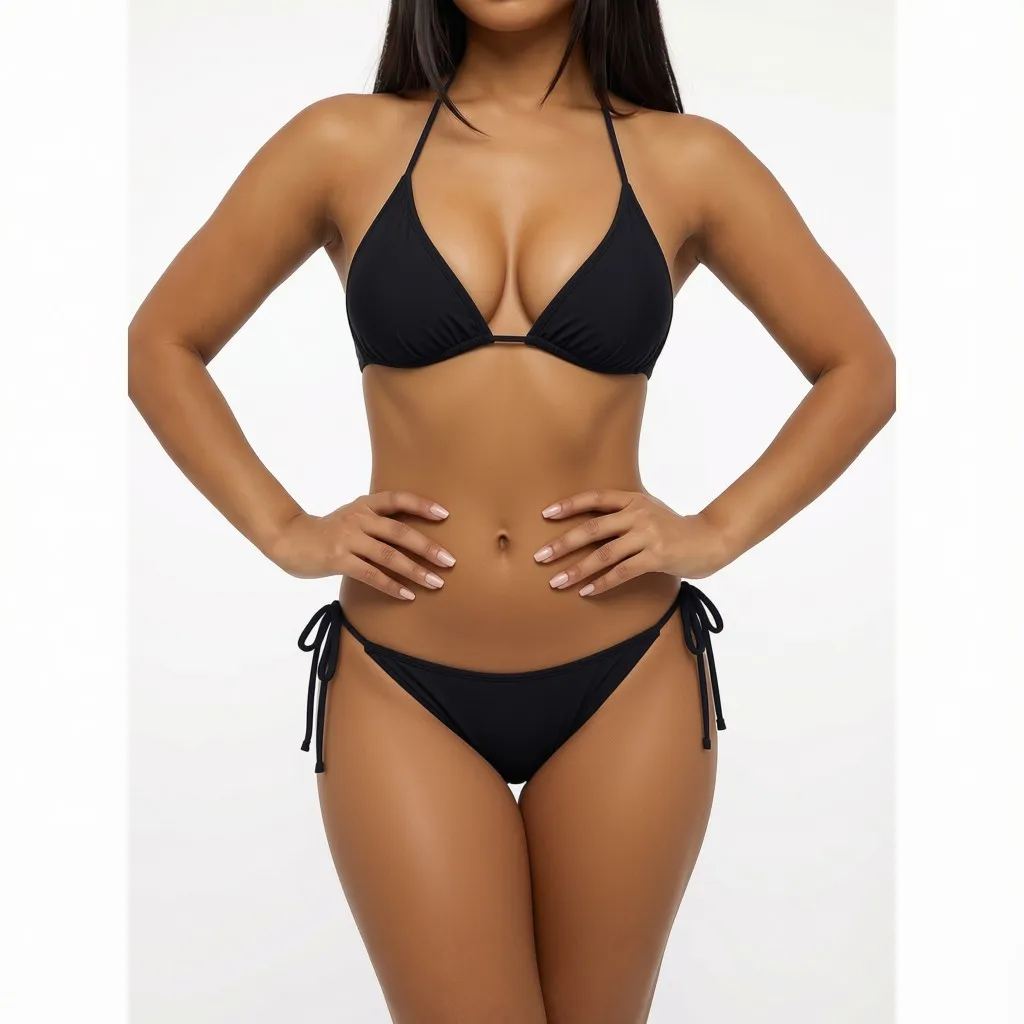
Consent, age limits and responsible use
This tool is for users aged 18 and over. Upload only your own photos, or photos of an adult who has given you explicit permission to edit them. Never use it on someone's picture without consent, on minors, or to harass, shame or sexualize any person. Those uses are off limits, and we would rather say so plainly than bury it in a policy page.
Keep the output non-explicit and lawful wherever you publish it. Platform rules on body-focused imagery vary, so check them before you post. Uploads are processed on our servers to produce your result, as described in the privacy policy. Free for a limited time: no credits are deducted. Sign in with Google to generate.
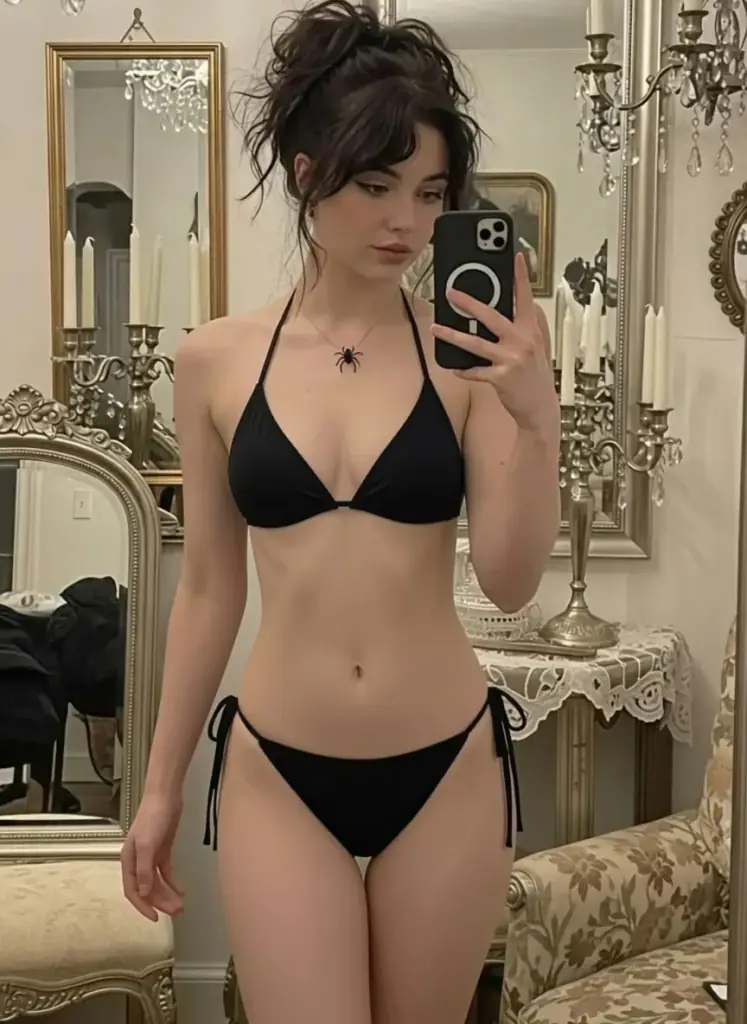
Before & After: clothing remover AI results
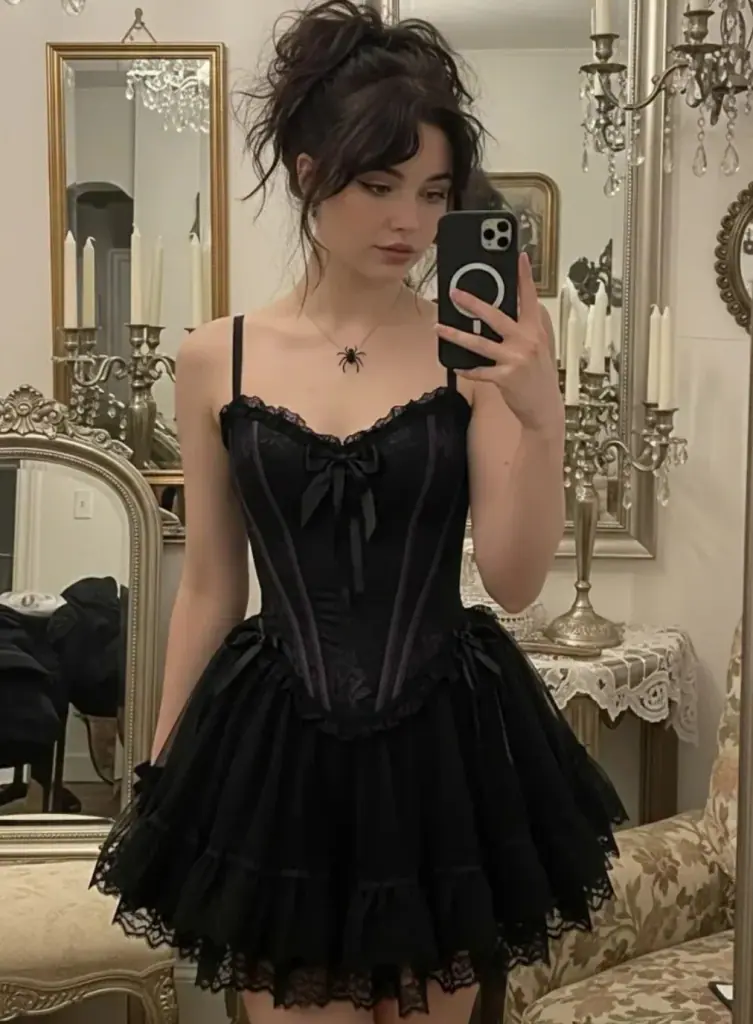
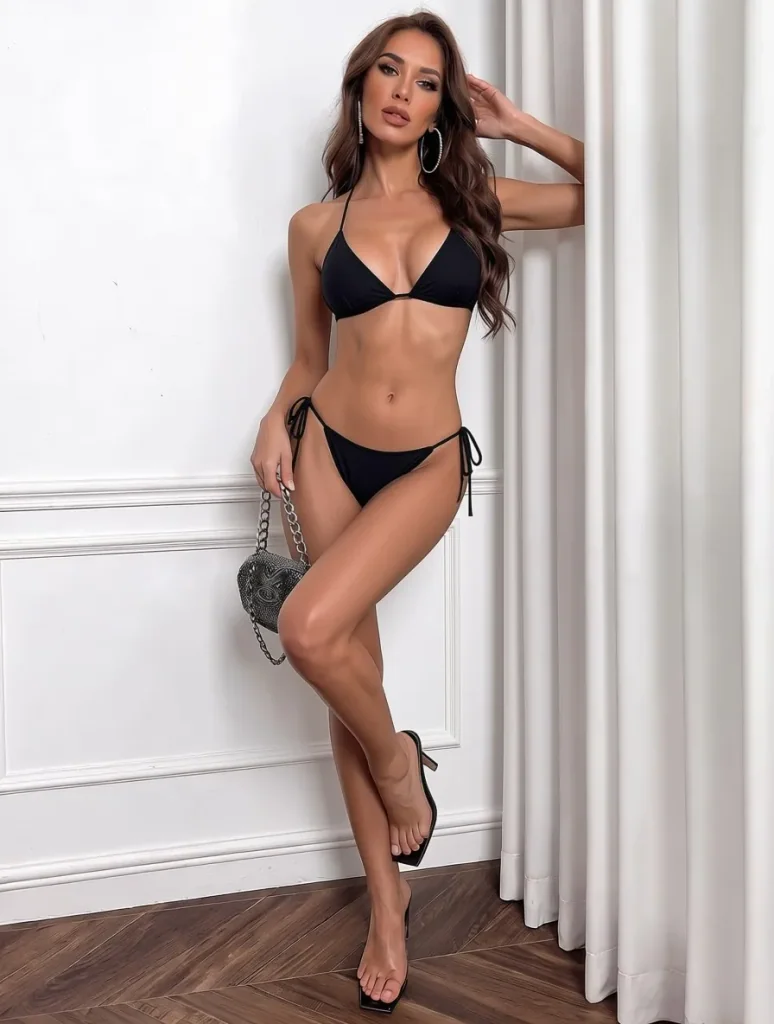
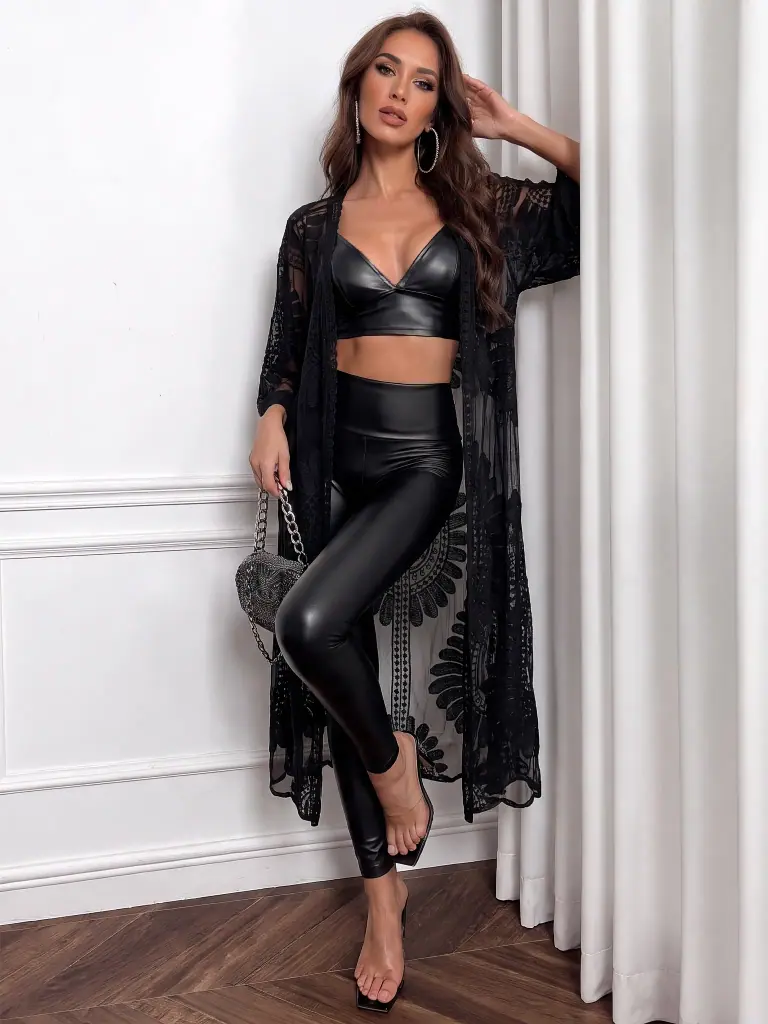
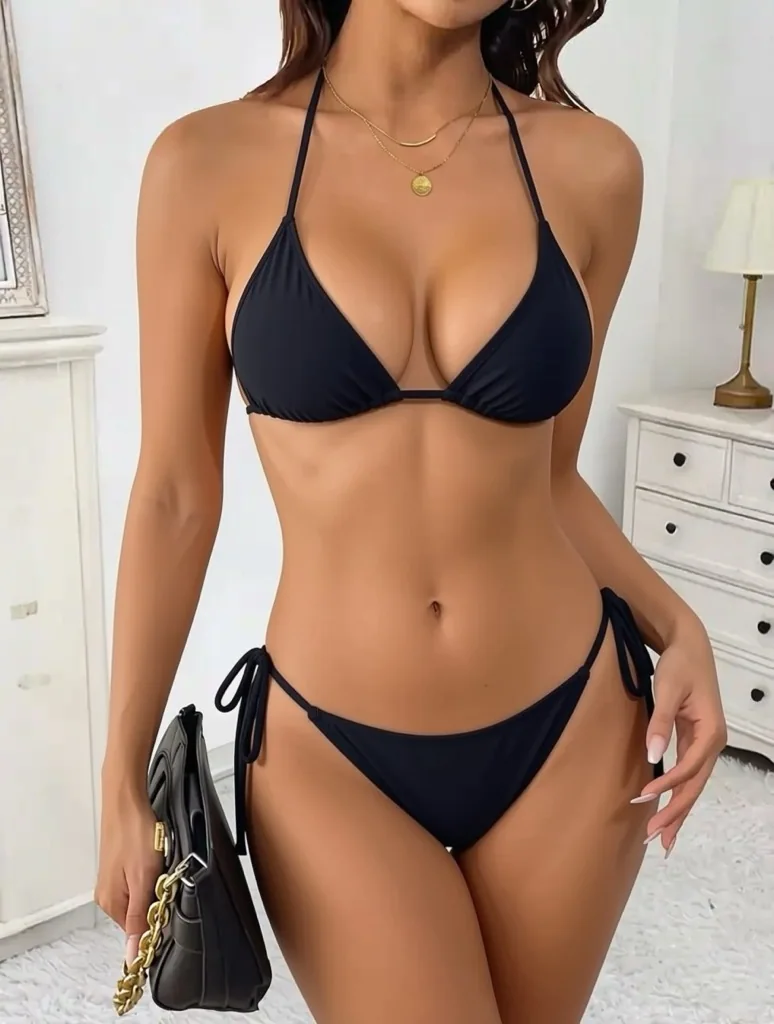
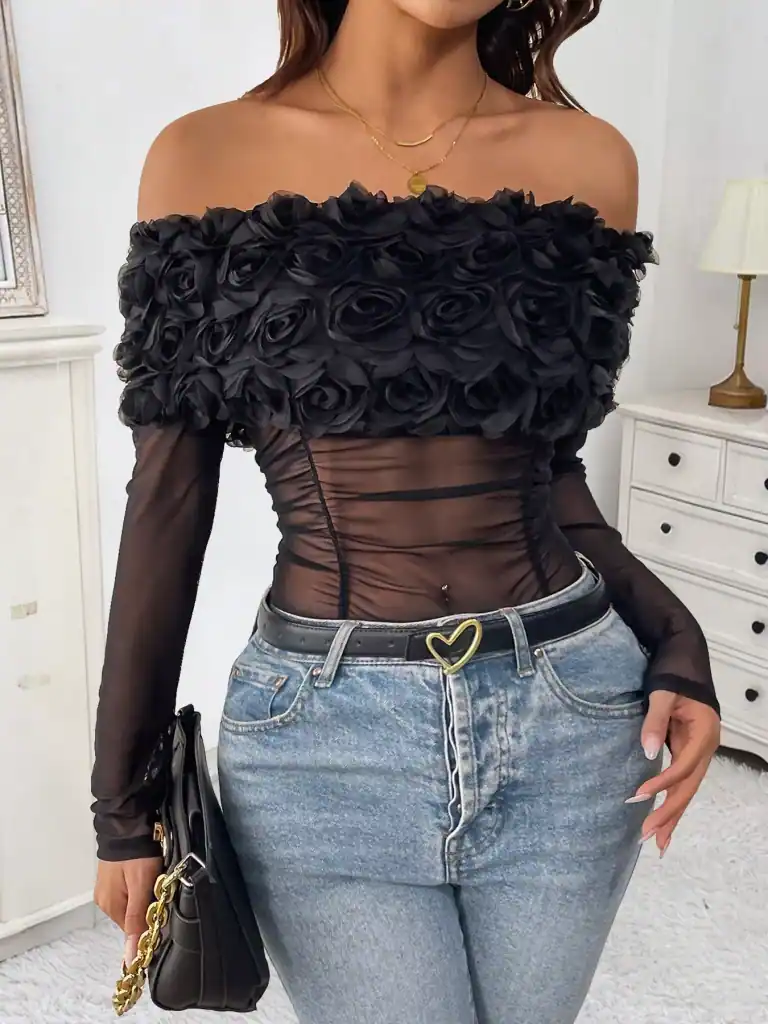
How to use AI Clothes Remover
- 1Upload your photo
Drop one JPG, PNG or WEBP photo into the AI clothes remover — your own picture, or one of an adult who gave you permission. A sharp, evenly lit full-body or half-body frame gives the model the most body context to work from.
- 2Set the quantity and generate
Choose how many variations you want, from one to four, then click Generate. Free for a limited time: no credits are deducted. Sign in with Google to generate. The job runs in the browser workspace and results usually appear within seconds to about a minute.
- 3Compare and download
Open the results side by side and look at the edges around shoulders, waist and hands. Download the version that blends most naturally, or run it again with a cleaner source photo.
Perfect for
Swimwear and lingerie previews
Use the clothes remover for pictures you already own to see how a lighter base layer reads before you shoot or shop. Photographers use it to pitch a swimwear concept without booking studio time, and creators use it to test a look for a seasonal post. Keep the framing tasteful and the output non-explicit.
Cosplay and costume planning
Cosplayers build characters in layers. Use the tool to reduce a reference photo of yourself to a simple base layer, then plan the armor, bodysuit or drapery that goes over it. It saves a fitting session and shows how a costume sits on your real proportions.
Fitness and body-confidence edits
Progress photos taken in bulky clothing hide the change you worked for. Run your own shot through the tool to get a simpler, comparable base layer across months. Keep the same pose and lighting each time so the comparison stays honest and useful to you.
Fantasy avatars and character art
Concept artists and avatar builders need a clean body base before painting over fantasy costume, tattoos or armor. Generate a few takes, pick the cleanest anatomy, and carry it into your illustration app. It is faster than sculpting a base pose from scratch for every character.
Clothes remover for product and styling mockups
Small brands reuse one model photo across many looks. A clean base image makes outfit swaps and styling mockups far quicker than a reshoot. Get written consent from the model first and keep the result non-explicit. Treat generated frames as internal previews, not finished product photography.
At a glance
FAQ
What is an AI clothes remover?
An AI clothing remover is a photo tool that detects the garment area in an image and redraws it, leaving everything else untouched. It does not see through fabric or recover hidden data. It generates a new synthetic layer that follows the body contour, lighting and skin tone already visible in your upload.
Is the AI clothes remover free to use?
Free for a limited time: no credits are deducted. Sign in with Google to generate.
Whose photos am I allowed to upload?
Only your own photos, or photos of an adult who has given you explicit permission to edit them. The tool is for users aged 18 and over. Do not upload images of minors, and never edit someone's photo without their consent. Results are for personal, creative and lawful use only.
Will it change my face, pose or background?
No. The edit is limited to the outfit region. Your face, hair, hands, body proportions, pose, lighting and the scene behind you stay exactly as they were in the original photo. That consistency is the point of the tool, and it is what makes the result usable next to the untouched frame.
Which file formats can I upload?
The tool accepts JPG, PNG and WEBP photos. Upload a single image per generation. Sharp, evenly lit shots work best, and a full-body or half-body framing gives the model more anatomical context than a tight crop. Motion blur and very low light produce weaker edges.
How long does a result take, and how many can I get?
Most results appear within seconds, and a busy queue can push a run to about a minute. You can request one to four variations per generation using the quantity setting.
Is using an AI clothing remover safe and legal?
It is permitted here only when you hold the rights to the photo and the person in it is a consenting adult — and local law still applies. Editing someone's image without permission, or producing sexualized material of a real person who did not agree, is prohibited here and illegal in many places. Follow your local law and the rules of any platform you post to.
What happens to the photos I upload?
Uploads are processed on our servers to produce your result, and may be stored to provide the service, as set out in the privacy policy. If you are editing a sensitive image, read the policy first and decide whether you are comfortable before you upload.
Which photos give the best results?
Well-lit, sharp photos where the subject stands clear of the background. Solid, matte garments segment more reliably than reflective or translucent ones, and visible garment edges help the model separate fabric from skin. Group shots and heavily cropped frames give the model less to work with.