
AI Clothes Remover: How It Works and How to Use It
A practical, plain-English guide to the AI clothes remover: what it edits, how segmentation and inpainting work, and how to use it responsibly.
Published 9 min read
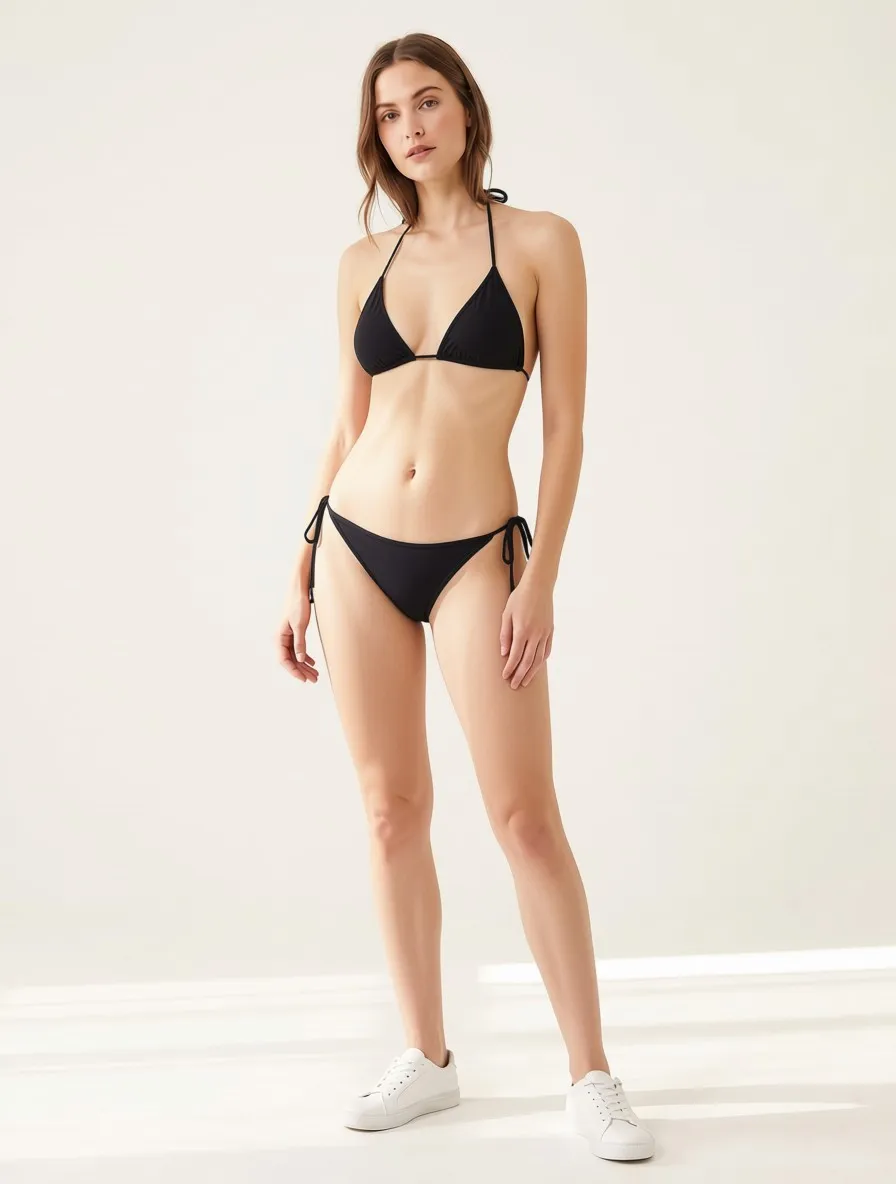
Search for an AI clothes remover and you get two very different pictures. One is an outfit-editing tool used by stylists, swimwear brands and cosplayers who need to preview a look without booking a shoot. The other is the misuse people worry about. This guide covers the first.
You will find a plain-English explanation of segmentation and inpainting, plus legitimate use cases. Then comes a walkthrough of our tool, photo tips, and a clear section on consent. The tool is for adults aged 18 and over, working with their own photos or photos of people who agreed to the edit.
What an AI clothes remover actually does (and what it does not)
An AI clothing remover, also written clothes remover AI or AI clothes changer, is the same thing under different names: an outfit editor. It identifies the garment region in your photo and redraws it as a new, synthetic layer, so the same person appears in a different outfit. Nothing hidden is uncovered, because no such information exists in a photograph.
That distinction matters for expectations. The output is an illustration of how a look could appear, not evidence of how it actually does. Treat it like any AI-generated image: useful for previews, mockups and creative work, wrong for anything shared as a real photo.
Our tool does not produce explicit content, and it is not a way to undress other people. It is built for body and outfit editing: swimwear and lingerie previews, cosplay concepts, fitness visualizations and stylized avatars. Use it on yourself, or on an adult subject who has explicitly agreed to this edit.
- Does: redraw the clothing area into a new outfit or swimwear look
- Does: return one to four variations per request
- Does not: uncover anything hidden in the original photo
- Does not: create explicit imagery or images of minors
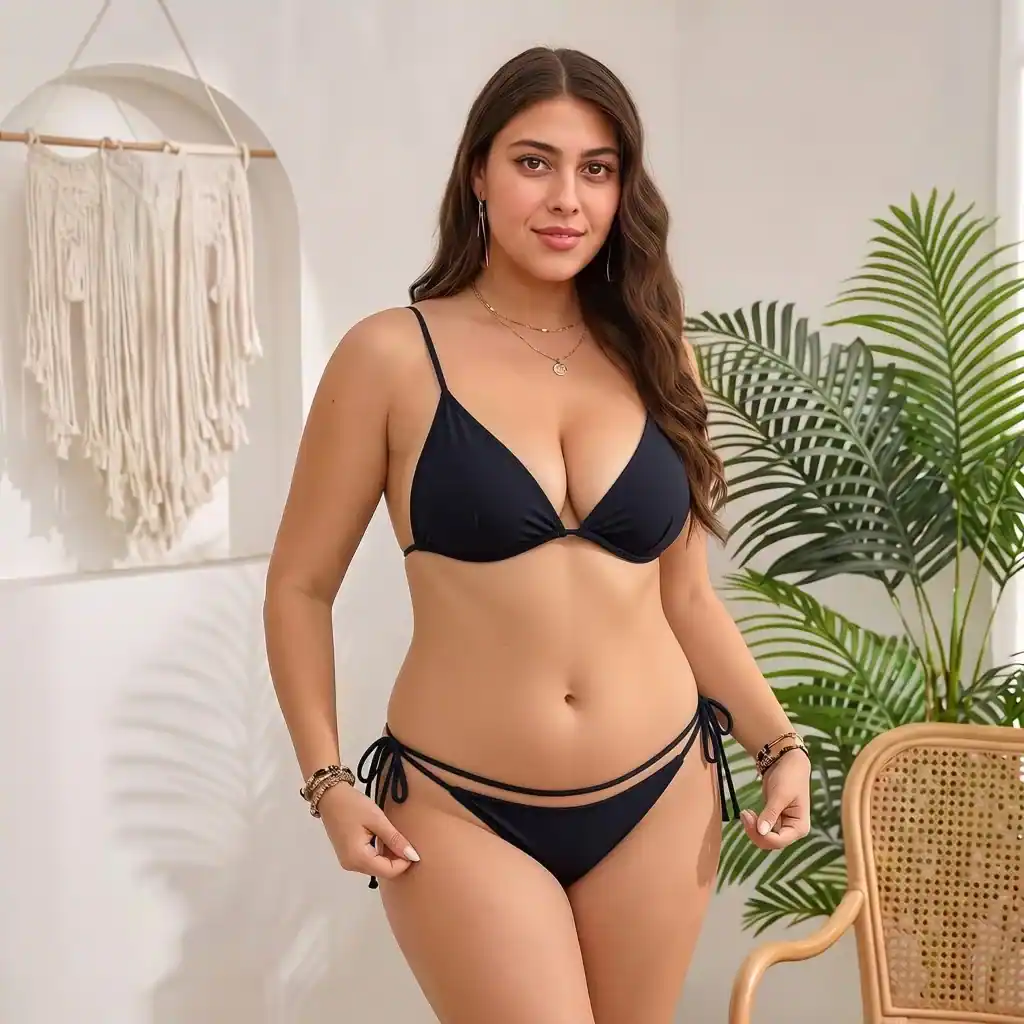
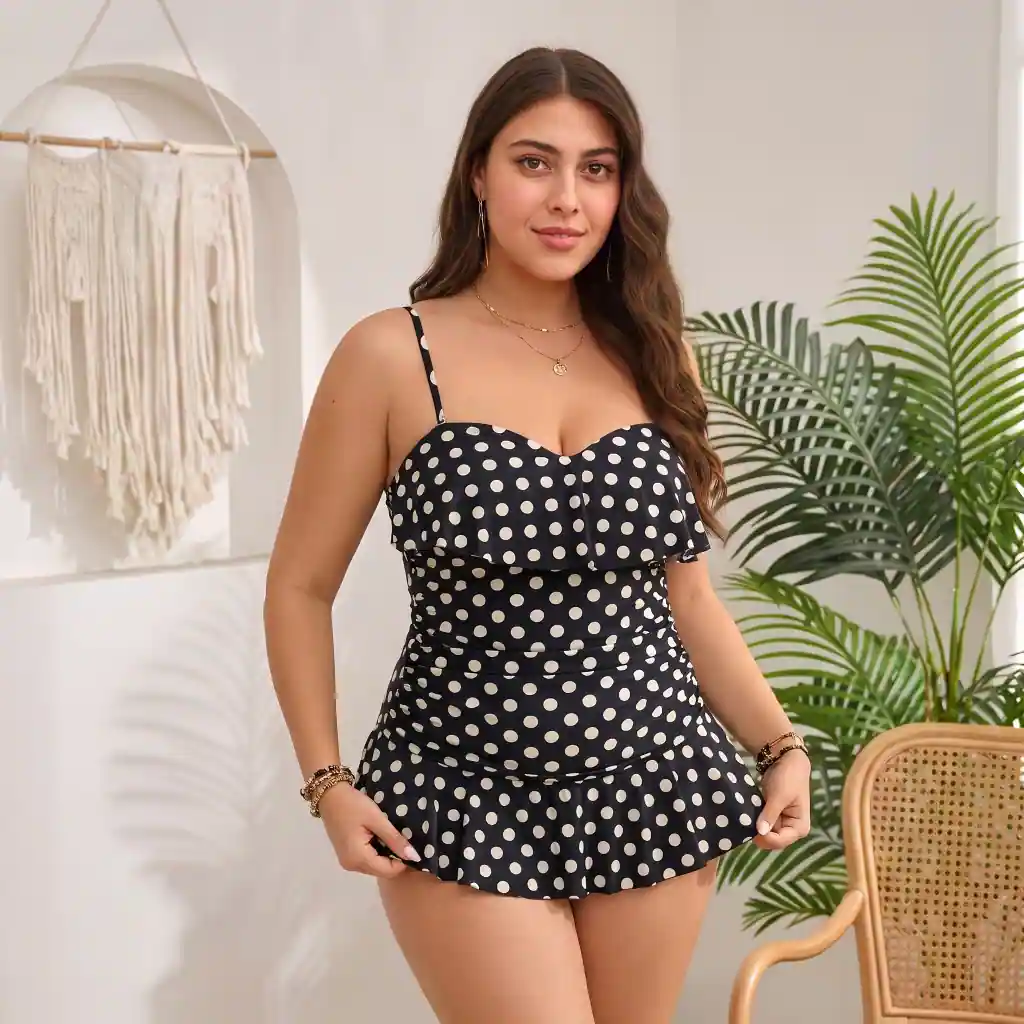
How AI clothing removal works, in plain words
Tools of this kind typically work in two stages. First comes segmentation: a model separates the person from the background, then the garment pixels from skin, hair and accessories. The result is a precise mask that follows collars, sleeves, hems and straps, which is what lets software remove clothes from a photo as an editing region rather than a crude blur.
Second comes inpainting. The masked area is typically rebuilt by a diffusion model, guided by everything around it: body proportions, posture, camera angle and the direction of the light. Because the model can see the untouched pixels, the new outfit inherits the same shadows and perspective as the original scene.
Everything outside the edited area is left alone. That is the core promise of every tool on the platform, and it is why a good result looks like the same photo rather than a new portrait. Face, hair, hands and the background come back unchanged.
Legitimate use cases for AI outfit editing
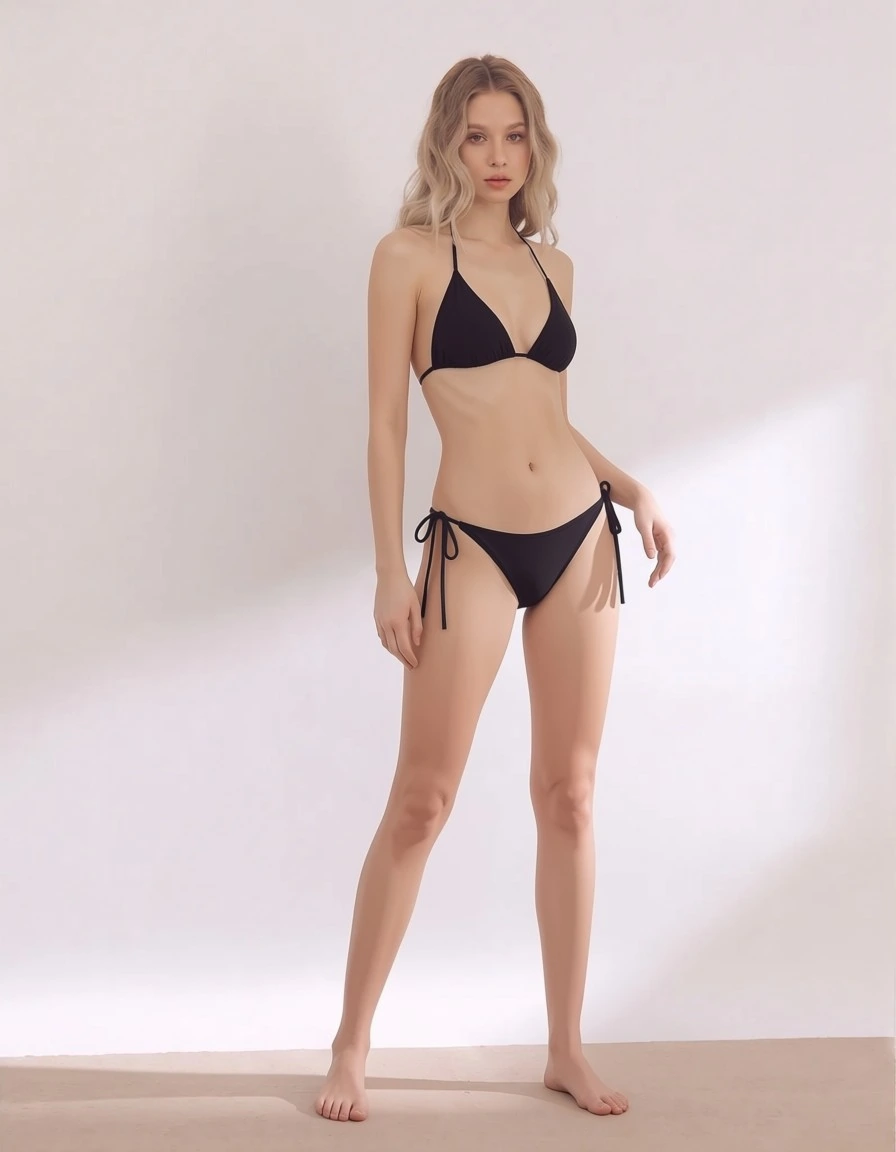
The value is simple: one photo becomes many looks, without a second shoot. A swimwear or lingerie label can show a cut in three colorways before a sample exists. A stylist tests a silhouette against a client's real body and posture, not a mannequin.
Creators use it to keep a character consistent across a series of posts, since the face and pose survive the edit. Cosplayers compare costume directions before spending on fabric, and concept artists draft avatar wardrobes before committing to an illustration.
- Fashion and swimwear previews before sampling
- Lingerie and bikini mockups for brand mood boards
- Creative avatars and character wardrobes
- Fitness progress visualization on your own photos
How to use our AI clothes remover step by step
Open the tool and sign in with Google. New accounts get free credits, so you can test the tool first, and no credit card is needed to start. Each generation costs three credits, and you can pick one to four variations per request, which is the cheapest way to compare options.
The workspace runs in your browser. Upload the photo you have the right to edit as a JPG, PNG or WEBP file, set the quantity, then click Generate. Results usually appear within seconds to about a minute. Review the variations, download the one you want, and run again if the fit is not quite right.
- Sign in with Google and check your free credits
- Upload a JPG, PNG or WEBP photo you may lawfully edit
- Set quantity between 1 and 4 variations
- Click Generate and wait seconds to a minute
- Download the variation you like, or run again
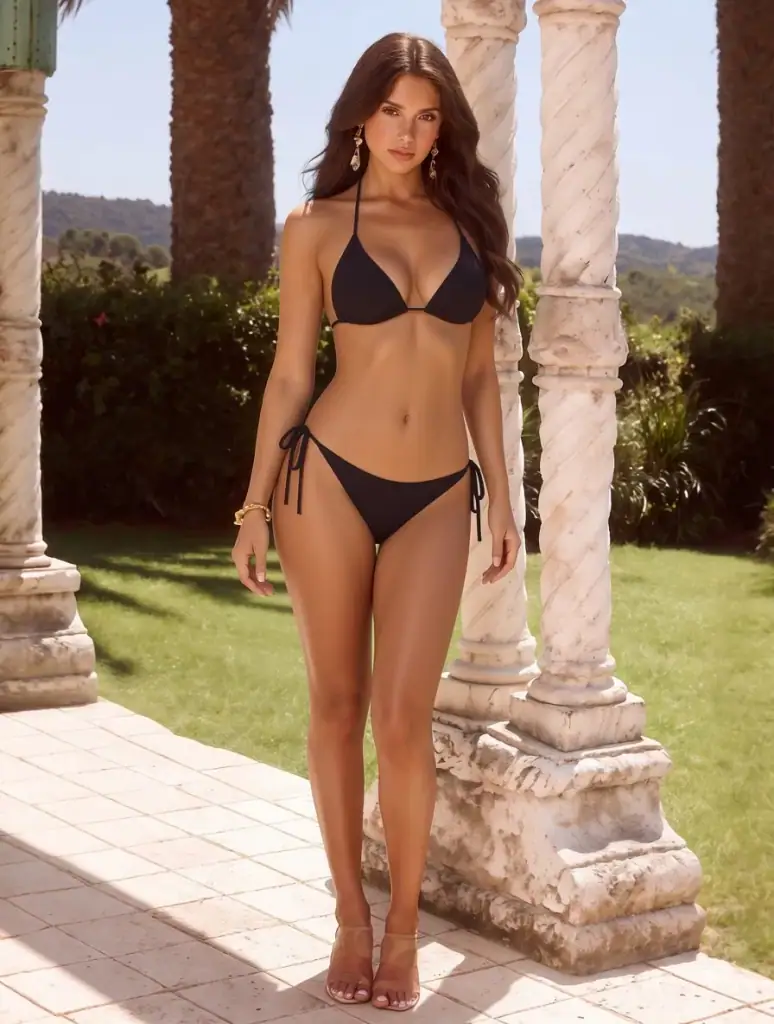
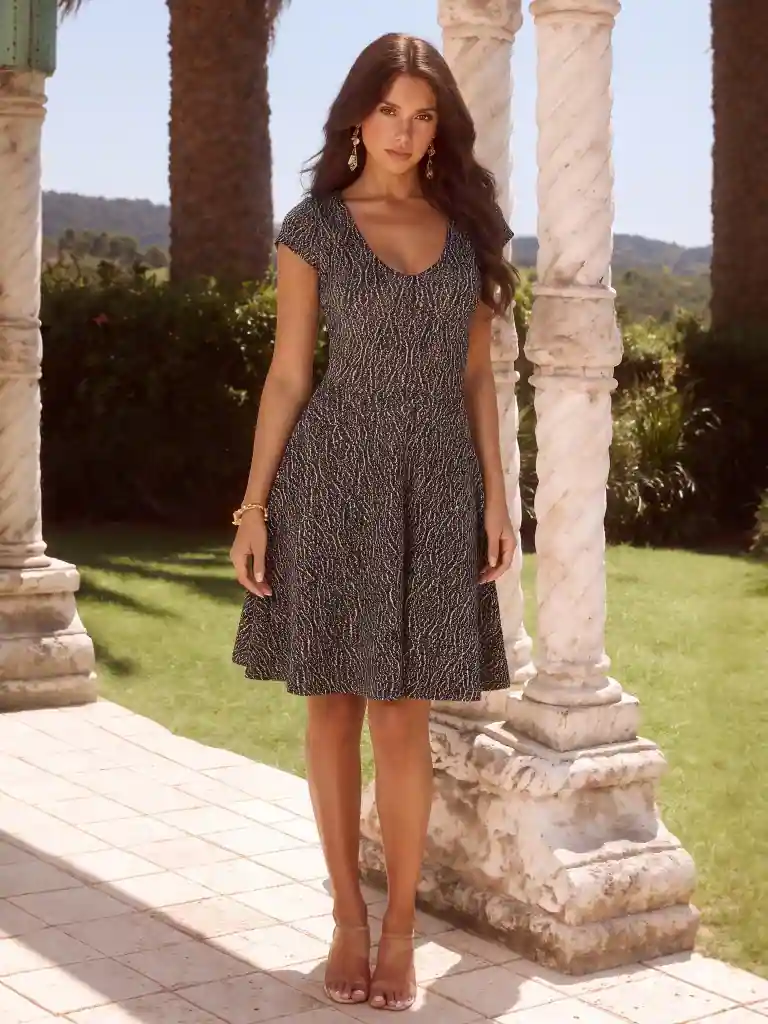
Photo tips for realistic AI clothes remover results
Input quality decides almost everything here. Even, diffuse light gives the model clean edges to segment and simple shadows to match. Harsh mixed lighting and deep shade around the torso make the redrawn area harder to blend, and blending failures are what a viewer reads as fake.
Framing matters just as much. A full-body or half-body shot with the whole garment visible gives the model context for proportions, while a tight crop that cuts the outfit in half does not. Keep your arms away from the torso and avoid heavy motion blur.
Upload the largest clean version of the file you have. Lace, sheer fabric and layered jackets are the hardest cases for any model, so plan on a second variation there.
- Even, soft lighting with no strong color cast
- Full-body or half-body framing, garment fully visible
- The original file, not a screenshot or re-compressed copy
Consent, safety and the law: the rules that apply
This is the section that matters most. The tool is for adults aged 18 and over. Upload only photos of yourself, or photos of an adult who has given explicit, informed permission for this specific kind of edit. Permission to take a photo is not permission to edit it, and a public profile picture is not consent either.
Editing a real person's photo without their agreement is not a gray area. Many jurisdictions now treat non-consensual intimate imagery, including synthetic images, as a criminal offense, and platforms remove that content and ban the accounts behind it. Photos of minors are absolutely prohibited, in any context.
Check your rights to the source file as well. A photographer usually holds copyright in the image even when you are the subject, so commissioned photos may restrict derivative works. Results here are for personal, creative and lawful use only. A simple test settles most cases: if you would be uncomfortable showing the edit to the person in the photo, do not make it.
AI clothes remover vs virtual try-on tools: which to use
A virtual try-on tool starts from a specific garment and puts that garment on a person. It is the right choice when the product already exists and you need it rendered accurately. An AI clothes remover works the other way around: it redraws the existing outfit into a new one, so you can explore directions before you have a specific product.
The two approaches complement each other. Reach for a virtual try-on tool when one specific, existing garment has to be rendered accurately. When you simply want a particular style previewed on your own photo, our companion tools do that from a single upload, with no garment file to supply: Try Bikini and AI Bikini for swimwear, or AI Lace Lingerie for lace sets.
Choose the remover when you are exploring directions rather than a fixed product, or when one source photo has to yield several variations quickly.
Is the AI clothes remover free? Credits, limits and your uploads
People search for a free AI clothes remover, so here is what free actually means here. Every new account gets free starting credits after signing in, each generation costs three credits, and no credit card is needed to begin. Nothing is unlimited and there is no free-forever tier, but the starting credits are enough to judge the output.
Expect limits as well. Lace, sheer fabric, heavy prints and layered garments are the cases where edges wobble most, and a second run usually fixes it. Explicit imagery is out of scope, photos of minors are prohibited outright, and no model can recover detail the original photo never recorded.
One practical note before you start: uploads may be processed and stored so that the service can run.
Frequently asked questions
What is an AI clothes remover?
It is an AI outfit editor. It detects the clothing region and redraws it as a new synthetic layer, while identity, pose, background and lighting stay unchanged. On our platform it serves outfit previews, cosplay and creative avatars.
AI clothes remover vs AI clothes changer: is there a difference?
Nothing meaningful. Remover and changer describe the same edit: the garment area is redrawn as a new outfit. Clothes remover AI, AI clothing remover and AI clothes changer are simply the phrases different people search for.
Does it reveal what is under someone's clothes?
No, and it cannot. A photograph holds no information about what a garment covers. The model generates a plausible alternative, so the result is an illustration, never evidence.
Is an AI clothes remover legal to use?
It is lawful when you use it on your own photos, or on photos of an adult who gave explicit permission for this edit, and you are 18 or over. Photos of minors are prohibited outright, and non-consensual intimate imagery, including synthetic images, is a criminal offense in many jurisdictions. Results are for personal, creative and lawful use only.
Whose photos am I allowed to upload?
Your own, or those of an adult who gave explicit permission for this edit. The tool is for users aged 18 and over. Photos of minors are prohibited, and editing anyone without consent breaks platform rules and, in many countries, the law.
Is the AI clothes remover free?
New accounts get free credits to try any tool, with no credit card required. Each generation costs three credits, so the starting credits cover several runs.
How long does a generation take, and how many results do I get?
Results usually appear within seconds to about a minute. Request one to four variations per generation, then download the best.
Which file types can I upload?
JPG, PNG and WEBP photos. Upload the original file rather than a screenshot or a compressed re-share, since input quality drives realism.
Will it change the person's face or the background?
No. Only the edited region is regenerated. Face, hair, pose, lighting and the background come back exactly as in the source photo.
Can I use the results commercially?
Treat the results as personal, creative and lawful use. This guide grants no commercial rights, and rights in the source photo usually stay with the photographer even when you are the subject, so check our terms and your own rights before any commercial use.
Used well, an AI clothes remover answers a visual question fast: how would this look, on this body, in this light? It saves a reshoot and lets a small brand test an idea before committing to samples. Used carelessly, it harms real people, so the consent rule is not decoration.
Start with a clear, well-lit photo you have the right to edit, generate two variations, and judge from there. Try it with your free credits, then move to Try Bikini, AI Bikini or AI Lace Lingerie.